Excavation
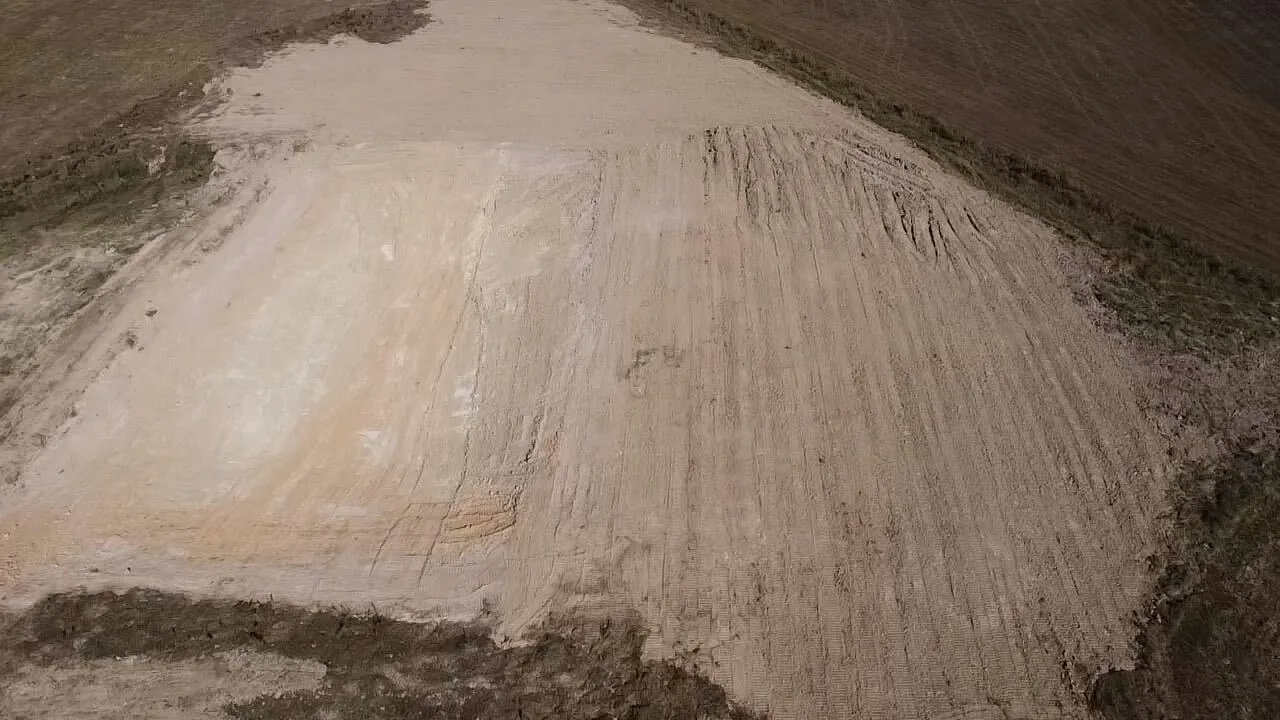
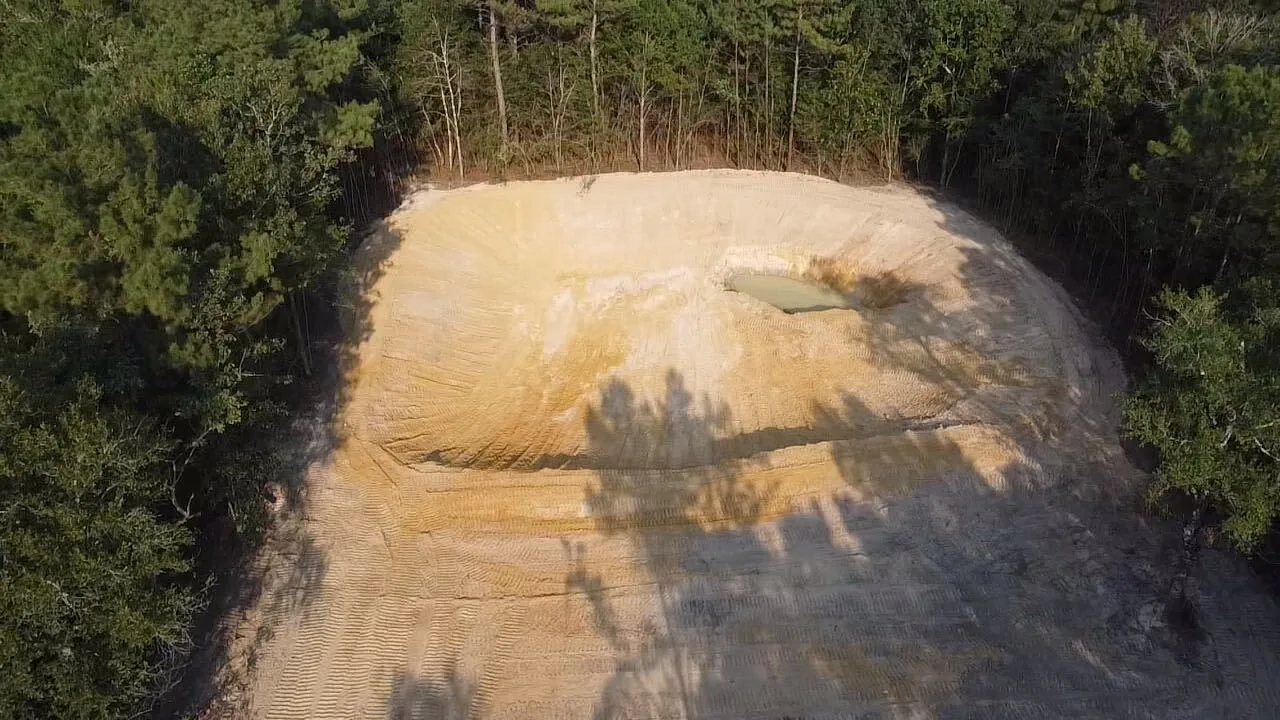
Site dig-outs, soft-spot removal, pond and basin digging and cleanup work with our own excavator.
View Details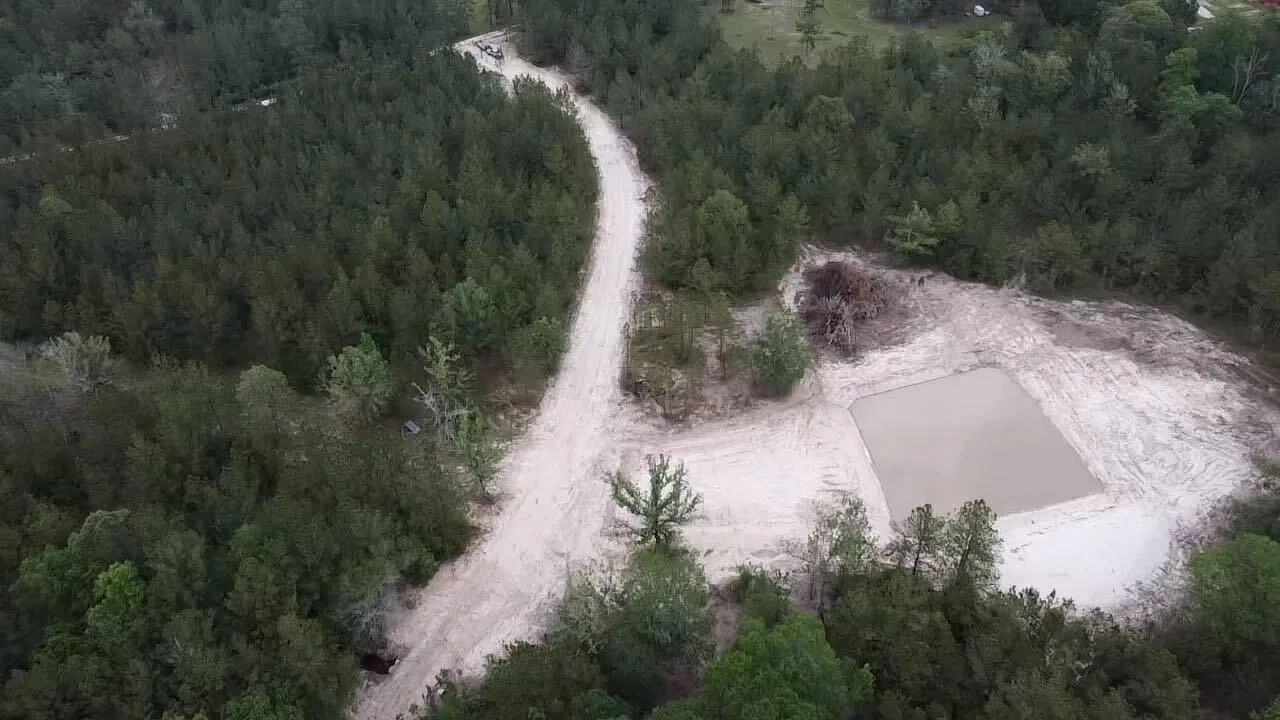
Pollard's Dozer Service handles retention pond construction in Buna, TX and the Southeast Texas counties around it. A retention pond keeps a permanent pool of water, and a detention pond holds stormwater for a time, then drains. We dig both, since the machine work is the same for a pond that keeps water or one that drains. We clear the site, dig the basin to plan and pack the banks and berm with the tracks.
A retention pond handles stormwater, which sets it apart from farm and stock ponds dug for cattle or fish. Water often reaches the basin through ditches, swales and culverts, and we cut and set those too. The digging itself is the same excavation work we do on building sites and soft spots. Every job starts with a free on-site estimate, and a look right after a rain shows where the water goes.
Tell us about your land — we’ll get right back to you.
A detention pond is required when the local drainage rules call for one. Inside Jefferson County Drainage District No. 6, known as DD6, the policy is a net-zero increase in runoff. That means a site can send off no more runoff after the work than it did before. It applies to development, redevelopment or site changes that add more than 0.25 acres of hard, impervious surface.
DD6 requires detention in the plans when its review finds a development would harm surrounding areas. DD6 also does not permit splitting a tract to shrink the detention requirement. Outside DD6's service area, check with your county or drainage district before the dig. Apart from any district rule, the state's TCEQ construction stormwater permit, TXR150000, covers jobs disturbing 1 acre or more.
The job starts with land clearing, since trees, brush and roots come off before the basin is dug. Then the excavator digs the basin to the size and depth on the plan and cuts the sides to shape. The dozer and excavator shape the banks and berm, then pack them down with their tracks. Depth and shape set how much water the basin holds, which is why the plan spells them out.
The dirt from the dig gets spread on site or built into a house or barn pad. Where the soil suits a pad, it gets shaped and packed with the tracks, the same as the banks. Last, we grade the ground around the basin so runoff finds its way into it. That step is the same land grading we do on pastures and building sites.
DD6 says Jefferson County is pancake flat, so most of its detention storage has to be dug out. On top of that, NOAA's 1991 to 2020 normals give Port Arthur 62.13 inches of rain in a normal year. DD6 also says retention basins, for flood control, are not common in the Jefferson County region. Our guide on retention pond vs detention pond explains where each one fits.
The Beaumont soil series, with its type location in Jefferson County, runs 42 to 60 percent clay. In Jasper County, where Buna sits, the Evadale series has its type location near Evadale, on flat coastal plain. Both are poorly drained, water moves through them very slowly, and both shed little runoff. The Evadale ground stays saturated from the surface down to its clay layer through the cool season.
Your engineer or the drainage district review sets the pond's size, depth, outlet and release rate when rules require it. We dig and shape the basin to that plan and leave the drainage math to the engineer. DD6's Drainage Criteria Manual says ponds with a dam or embankment over six feet tall fall under state rules. Our guide to building a pond on your Texas property covers dam and permit questions.
We build the dirt side: the basin, the banks, the berm and the grade around it. Concrete outlet structures, liners and seeding go to other trades, and permits stay with you and your engineer. From our base in Buna, we take this work to Beaumont, Lumberton, Orange, Vidor and Silsbee. Set up a free on-site estimate and we will come look at your ground.
From the first walk of the property to the last pass of the blade, here is exactly how it goes.
We come see the property — the trees, the brush, the ground under it, and how wet it runs. What you want cleared, what's worth keeping, and what the job really takes. No blind quotes over the phone.
You get a free estimate with a real number and a real timeline. It covers what's included — clearing, dirt, shaping, debris — and it holds unless the scope changes.
The dozer, excavator or mulcher shows up when we said and does the job the way we quoted it. Anything unexpected in the ground, you hear about it immediately, not on the invoice.
We walk the finished ground with you before we call it done. Clean lines, shaped banks, a pad you can build on or a pasture you can mow. Done means you say it's done.
Common questions about retention ponds across Buna & all of Texas. Don't see yours? Give us a call — we're happy to help.
Site dig-outs, soft-spot removal, pond and basin digging and cleanup work with our own excavator.
View Details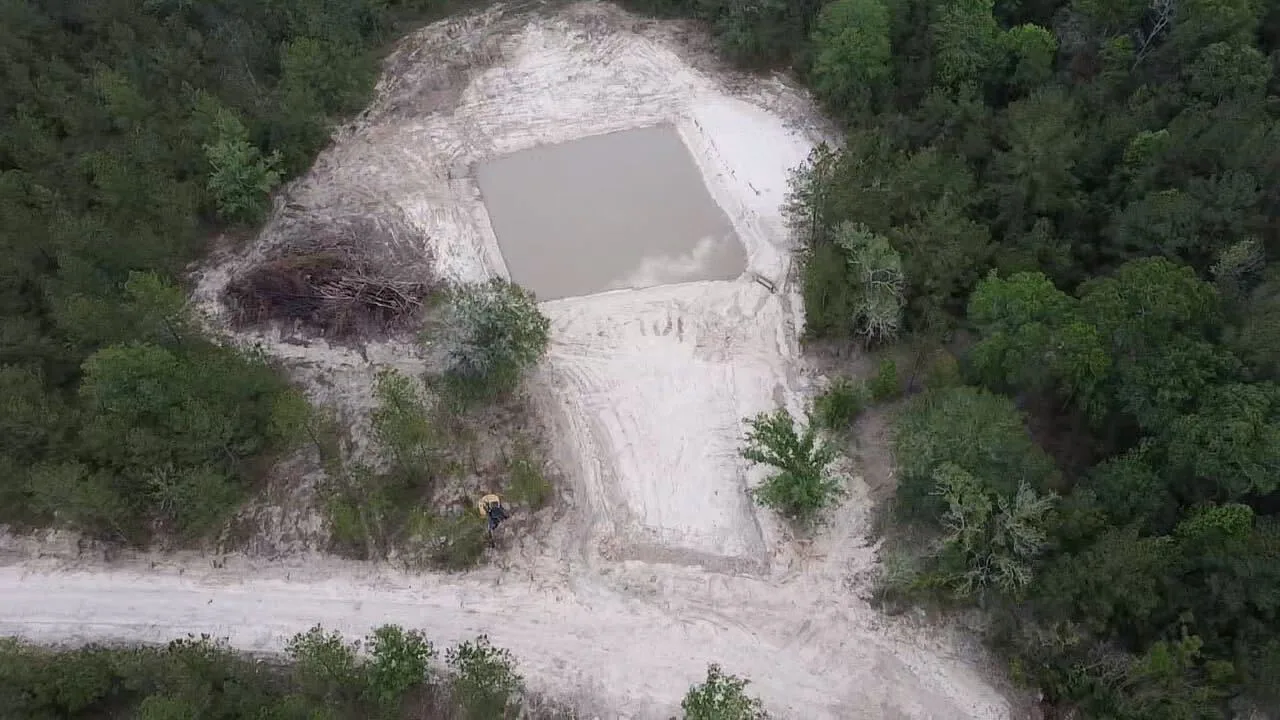
Stock ponds and fishing ponds dug, shaped and banked right, with the spoil dirt put to work on your land.
View Details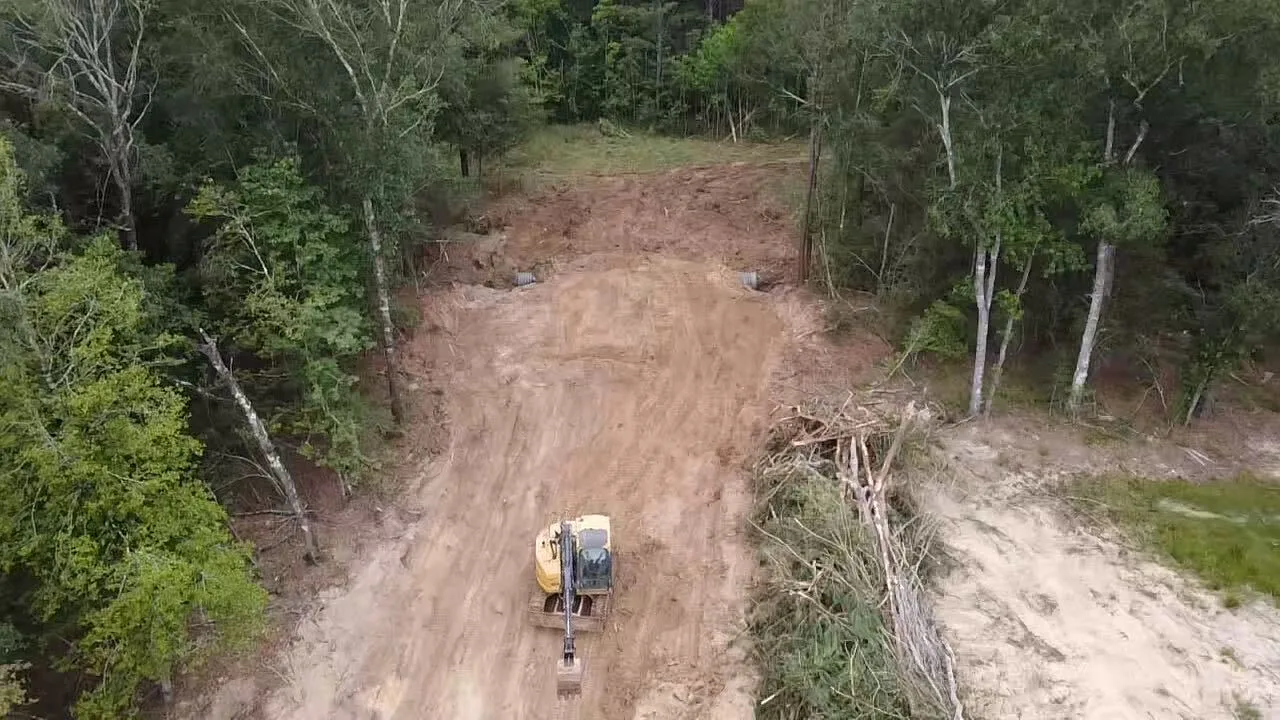
We cut ditches, shape swales, set driveway culverts and regrade the low spots where water stands on your property.
View Details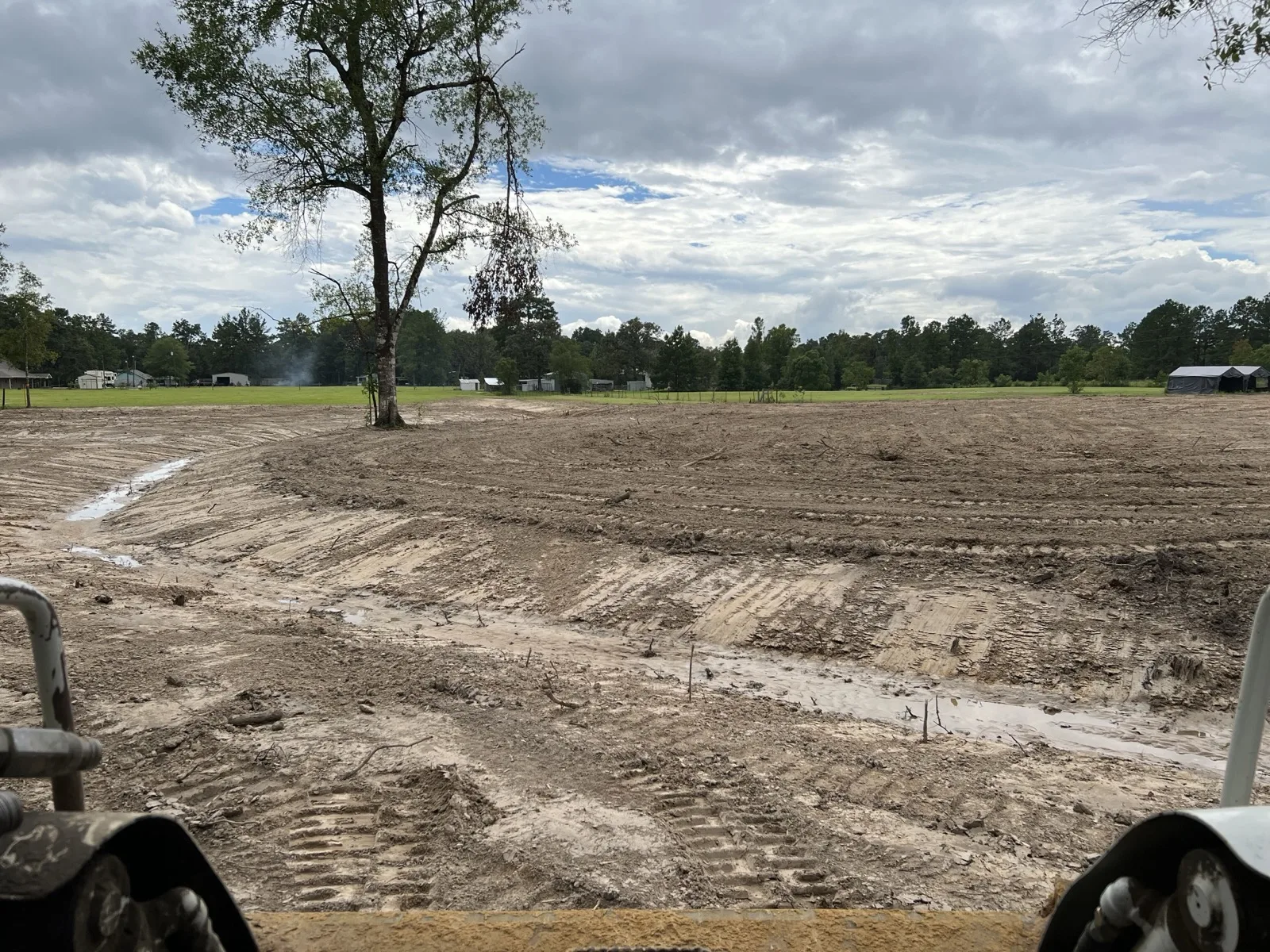
House pads, barn pads, site prep and fill: dirt hauled, placed, shaped and packed so what you build on it stays put.
View Details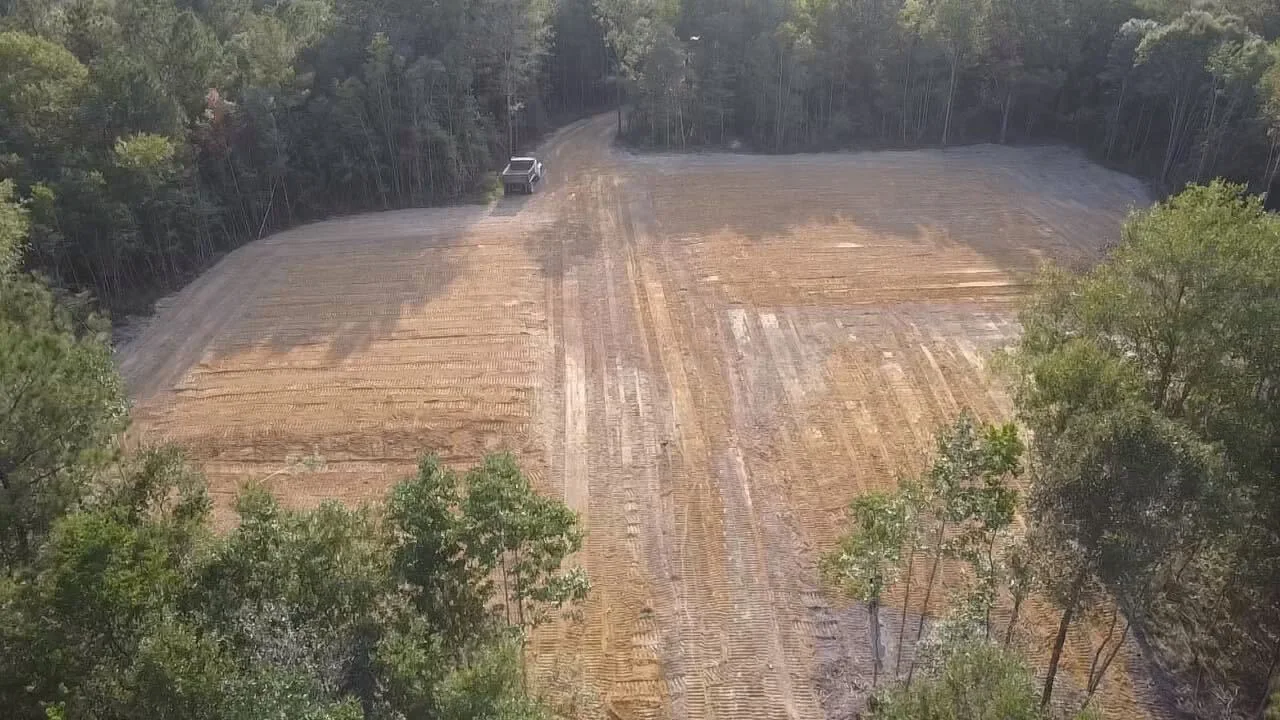
Wooded lots, overgrown acreage and future homesites cleared with our own dozer — trees and brush out, clean workable dirt left behind.
View Details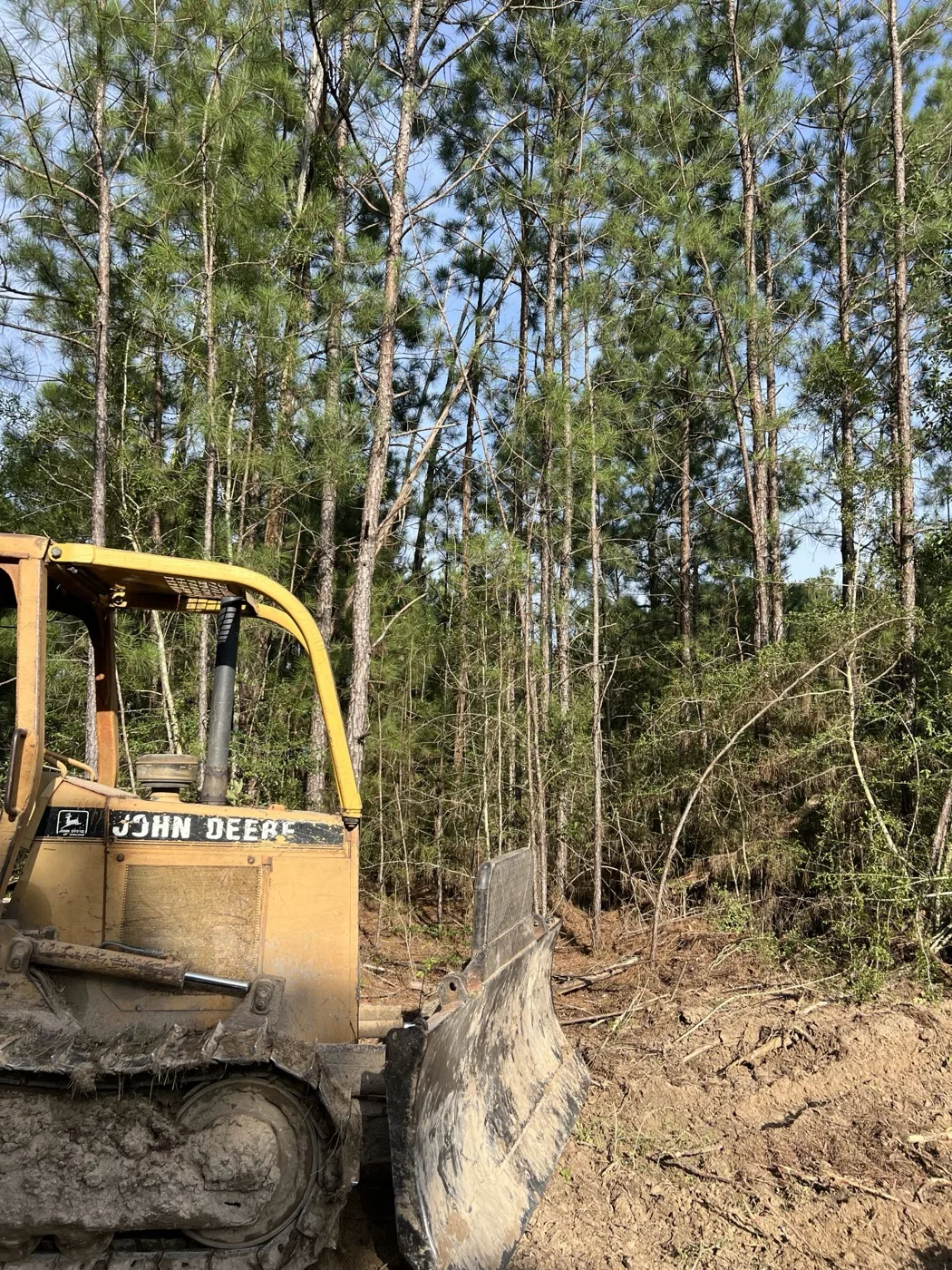
Bulldozer services around Buna and across Texas, pushing out growth, cutting pads and lanes to grade, and shaping pond banks.
View DetailsFamily owned and operated since 1990, with three generations on the same iron. The name on the machine is the family doing the work — and answering the phone.
Dozer, excavator and tracked mulcher under one roof. Clearing, dirt work, grading and the pond get done as one job with one estimate — not three contractors pointing at each other.
We come look at your ground, tell you what it actually needs and what it does not, and hand you a real number. No phone guesses, no surprise extras.
Sandy uplands, gumbo clay bottoms, wet winters and brush that never quits — this is the only dirt we have ever worked, and we build for what it does.
Land to clear, a pad to build, brush that's won too many summers, or a pond you've been thinking about for years? Call or send the form and we'll come look at your ground with you and hand you a free estimate from the family that's worked this dirt since 1990.
Tell us about your land — we’ll get right back to you.